Buy modelplac.eu ?
We are moving the project
modelplac.eu .
Are you interested in purchasing the domain
modelplac.eu ?
domain@kv-gmbh.de · 0541-91531010
Buy modelplac.eu ?
Does Japanese soy sauce taste different from Chinese soy sauce?
Yes, Japanese soy sauce does taste different from Chinese soy sauce. Japanese soy sauce, or shoyu, is typically lighter in color and has a milder, sweeter flavor compared to Chinese soy sauce, which tends to be darker and has a stronger, saltier taste. The difference in taste can be attributed to variations in the ingredients and fermentation processes used in each country. Overall, the two types of soy sauce have distinct flavor profiles and are used in different ways in their respective cuisines. **
Is soy sauce unhealthy?
Soy sauce is not necessarily unhealthy when consumed in moderation. It is high in sodium, so individuals with high blood pressure or heart conditions should be cautious with their intake. However, soy sauce also contains antioxidants and beneficial compounds like phytonutrients. Opting for low-sodium soy sauce or using it sparingly in cooking can help mitigate any potential negative health effects. **
Similar search terms for Soy sauce
Top-Angebote
Products related to Soy sauce:
-
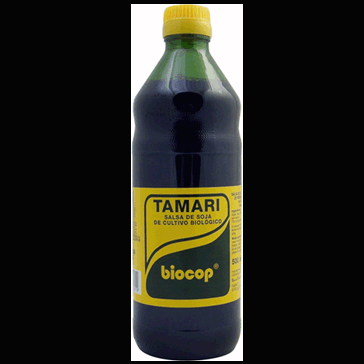
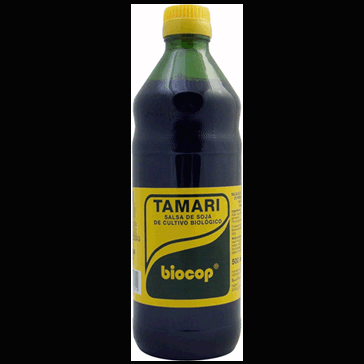
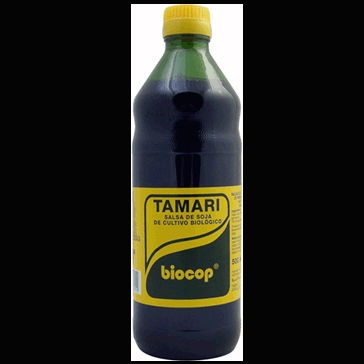
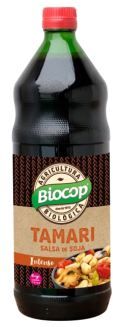
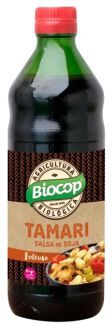
Biocop Soy Sauce Tamari 1 LNutrition and Supplements Sauces and Condiments Biocop Soy Sauce Tamari 1 L Soy sauce without wheat. Strong and intense flavor, ideal to accompany meat and fish. This fermented food favors the absorption of nutrients and good digestion. Traditional Japanese method of liquid fermentation. In open vats, at room temperature. Not filtered, but decanted, to preserve its characteristics (taste, smell, color). Use: Helps enhance flavors. Ideal for cooking with vegetables, vegetables, soups and stews, for making sauces and dressing salads, seaweed, cereals, fried vegetables, meat and fish. Conservation: Preserve from sunlight. Store in a cool and dry place.15,99 £*Shipping: 3,99 £Secure redirect to the provider
-
Biocop Soy Sauce Tamari 500 mlNutrition and Supplements Sauces and Condiments Biocop Soy Sauce Tamari 500 ml Soy sauce without wheat. Strong and intense flavor, ideal to accompany meat and fish. This fermented food favors the absorption of nutrients and good digestion. Traditional Japanese method of liquid fermentation. In open vats, at room temperature. Not filtered, but decanted, to preserve its characteristics (taste, smell, color). Use: Helps enhance flavors. Ideal for cooking with vegetables, vegetables, soups and stews, for making sauces and dressing salads, seaweed, cereals, fried vegetables, meat and fish. Conservation: Preserve from sunlight. Store in a cool and dry place.8,63 £*Shipping: 3,99 £Secure redirect to the provider
-
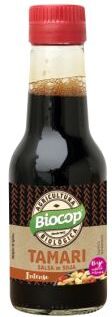
Biocop Soy Sauce Tamari 140 mlNutrition and Supplements Sauces and Condiments Biocop Soy Sauce Tamari 140 ml Soy sauce without wheat. Strong and intense flavor, ideal to accompany meat and fish. This fermented food favors the absorption of nutrients and good digestion. Traditional Japanese method of liquid fermentation. In open vats, at room temperature. Not filtered, but decanted, to preserve its characteristics (taste, smell, color). Use: Helps enhance flavors. Ideal for cooking with vegetables, vegetables, soups and stews, for making sauces and dressing salads, seaweed, cereals, fried vegetables, meat and fish. Conservation: Preserve from sunlight. Store in a cool and dry place.3,50 £*Shipping: 3,99 £Secure redirect to the provider
-
Is soy sauce vegan?
Yes, soy sauce is generally considered to be vegan. Traditional soy sauce is made from fermented soybeans, water, salt, and sometimes roasted grains. It does not contain any animal products or by-products, making it suitable for a vegan diet. However, it's always important to check the ingredients list as some commercial soy sauces may contain additives or flavorings that are not vegan-friendly. **
-
What is soy sauce?
Soy sauce is a popular condiment and seasoning in Asian cuisine, particularly in Chinese, Japanese, and Korean dishes. It is made from fermented soybeans, roasted grains, water, and salt. The mixture is left to ferment for several months to develop its rich, savory, and salty flavor. Soy sauce is used to enhance the taste of various dishes, such as stir-fries, marinades, dipping sauces, and sushi. **
-
Has the soy sauce expired?
To determine if the soy sauce has expired, check the expiration date on the bottle. If the soy sauce has passed the expiration date, it is recommended to discard it as it may have lost its flavor and quality. Additionally, if the soy sauce has changed in color, consistency, or smell, it is best to err on the side of caution and replace it with a fresh bottle. **
-
How does soy sauce smell?
Soy sauce has a strong, savory aroma with hints of umami, saltiness, and a slightly sweet undertone. It has a rich, complex fragrance that is often described as earthy, deep, and slightly fermented. The smell of soy sauce can vary depending on the brand and type, but overall it is distinctive and easily recognizable. **
Is soy sauce dangerous for dogs?
Yes, soy sauce can be dangerous for dogs if consumed in large quantities. Soy sauce contains high levels of sodium, which can lead to salt poisoning in dogs. Symptoms of salt poisoning in dogs include vomiting, diarrhea, excessive thirst, and in severe cases, seizures or even death. It is best to avoid giving soy sauce to dogs and stick to dog-safe treats and foods. **
How long does soy sauce last?
Soy sauce typically has a long shelf life due to its high salt content, which acts as a natural preservative. When stored properly in a cool, dark place, unopened soy sauce can last for several years. Once opened, soy sauce can last for about 1-2 years if stored in the refrigerator. However, it is always best to check the expiration date on the bottle for specific guidance. **
Top-Angebote
Products related to Soy sauce:
-
Biocop Soy Sauce Tamari 1 LNutrition and Supplements Sauces and Condiments Biocop Soy Sauce Tamari 1 L Soy sauce without wheat. Strong and intense flavor, ideal to accompany meat and fish. This fermented food favors the absorption of nutrients and good digestion. Traditional Japanese method of liquid fermentation. In open vats, at room temperature. Not filtered, but decanted, to preserve its characteristics (taste, smell, color). Use: Helps enhance flavors. Ideal for cooking with vegetables, vegetables, soups and stews, for making sauces and dressing salads, seaweed, cereals, fried vegetables, meat and fish. Conservation: Preserve from sunlight. Store in a cool and dry place.15,99 £*Shipping: 3,99 £Secure redirect to the provider
-
Does Japanese soy sauce taste different from Chinese soy sauce?
Yes, Japanese soy sauce does taste different from Chinese soy sauce. Japanese soy sauce, or shoyu, is typically lighter in color and has a milder, sweeter flavor compared to Chinese soy sauce, which tends to be darker and has a stronger, saltier taste. The difference in taste can be attributed to variations in the ingredients and fermentation processes used in each country. Overall, the two types of soy sauce have distinct flavor profiles and are used in different ways in their respective cuisines. **
-
Is soy sauce unhealthy?
Soy sauce is not necessarily unhealthy when consumed in moderation. It is high in sodium, so individuals with high blood pressure or heart conditions should be cautious with their intake. However, soy sauce also contains antioxidants and beneficial compounds like phytonutrients. Opting for low-sodium soy sauce or using it sparingly in cooking can help mitigate any potential negative health effects. **
-
Is soy sauce vegan?
Yes, soy sauce is generally considered to be vegan. Traditional soy sauce is made from fermented soybeans, water, salt, and sometimes roasted grains. It does not contain any animal products or by-products, making it suitable for a vegan diet. However, it's always important to check the ingredients list as some commercial soy sauces may contain additives or flavorings that are not vegan-friendly. **
-
What is soy sauce?
Soy sauce is a popular condiment and seasoning in Asian cuisine, particularly in Chinese, Japanese, and Korean dishes. It is made from fermented soybeans, roasted grains, water, and salt. The mixture is left to ferment for several months to develop its rich, savory, and salty flavor. Soy sauce is used to enhance the taste of various dishes, such as stir-fries, marinades, dipping sauces, and sushi. **
Similar search terms for Soy sauce
-
Biocop Soy Sauce Tamari 500 mlNutrition and Supplements Sauces and Condiments Biocop Soy Sauce Tamari 500 ml Soy sauce without wheat. Strong and intense flavor, ideal to accompany meat and fish. This fermented food favors the absorption of nutrients and good digestion. Traditional Japanese method of liquid fermentation. In open vats, at room temperature. Not filtered, but decanted, to preserve its characteristics (taste, smell, color). Use: Helps enhance flavors. Ideal for cooking with vegetables, vegetables, soups and stews, for making sauces and dressing salads, seaweed, cereals, fried vegetables, meat and fish. Conservation: Preserve from sunlight. Store in a cool and dry place.8,63 £*Shipping: 3,99 £Secure redirect to the provider
-
Biocop Soy Sauce Tamari 140 mlNutrition and Supplements Sauces and Condiments Biocop Soy Sauce Tamari 140 ml Soy sauce without wheat. Strong and intense flavor, ideal to accompany meat and fish. This fermented food favors the absorption of nutrients and good digestion. Traditional Japanese method of liquid fermentation. In open vats, at room temperature. Not filtered, but decanted, to preserve its characteristics (taste, smell, color). Use: Helps enhance flavors. Ideal for cooking with vegetables, vegetables, soups and stews, for making sauces and dressing salads, seaweed, cereals, fried vegetables, meat and fish. Conservation: Preserve from sunlight. Store in a cool and dry place.3,50 £*Shipping: 3,99 £Secure redirect to the provider
-
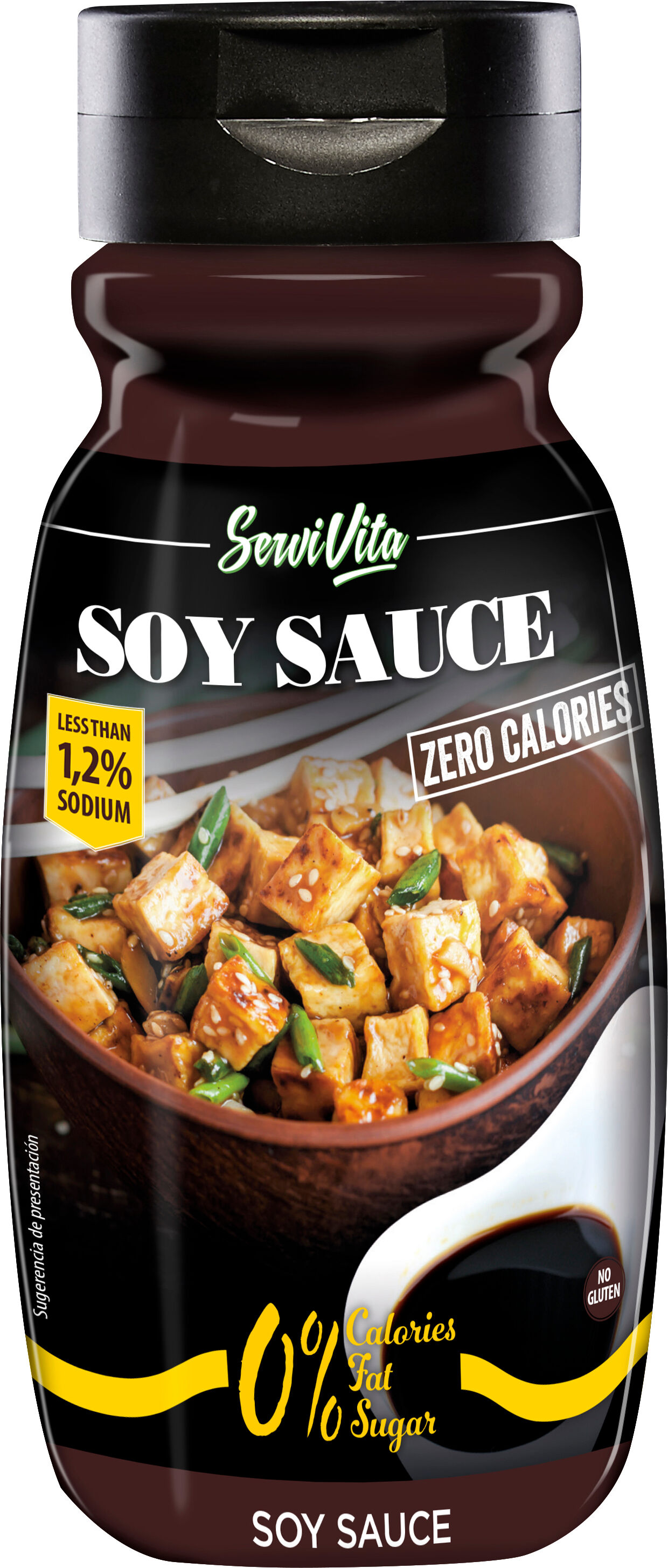
Servivita Zero Calorie Soy Sauce 320 mlNutrition and Supplements Sauces and Condiments Servivita Zero Calorie Soy Sauce 320 ml The perfect accompaniment to your dishes! Servivita Soy Sauce is perfect to accompany meat dishes, fish as well as pasta, giving a special touch to your meals. It is the perfect alternative to traditional sauces if you want to take care of your diet, since it does not add extra calories to your meals. Servivita Soy Sauce low in calories, is ideal for athletes and people who like to take care of their diet. Ingredients: Water, SOY protein hydrolyzate (contains TRIO), salt, dehydrated soy sauce (fermented soybeans, maltodextrin and salt), color (caramel), acidulant (citric acid), stabilizer (xanthan gum), preservative (potassium sorbate). ) and antioxidant (E-385).3,30 £*Shipping: 3,99 £Secure redirect to the provider
-
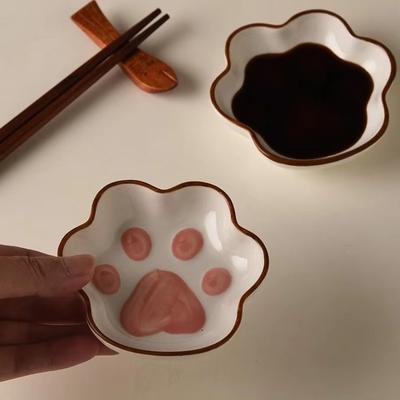
Inspired Finds Japanese Cat Paw Dipping Sauce Dish Cute Ceramic Seasoning Plate For Soy Sauce & Condiments Japanese Cat Paw Dipping Sauce Dish Cute Ceramic Seasoning Plate For Soy Sauce & CondimentsAdd a playful touch to every meal with this charming cat paw seasoning dish, designed to make even simple sauces feel special. Inspired by Japanese kawaii style, this dish is perfect for cat lovers and anyone who enjoys cute, thoughtful tableware....94,99 $*Shipping: 0,00 $Secure redirect to the provider
-
Has the soy sauce expired?
To determine if the soy sauce has expired, check the expiration date on the bottle. If the soy sauce has passed the expiration date, it is recommended to discard it as it may have lost its flavor and quality. Additionally, if the soy sauce has changed in color, consistency, or smell, it is best to err on the side of caution and replace it with a fresh bottle. **
-
How does soy sauce smell?
Soy sauce has a strong, savory aroma with hints of umami, saltiness, and a slightly sweet undertone. It has a rich, complex fragrance that is often described as earthy, deep, and slightly fermented. The smell of soy sauce can vary depending on the brand and type, but overall it is distinctive and easily recognizable. **
-
Is soy sauce dangerous for dogs?
Yes, soy sauce can be dangerous for dogs if consumed in large quantities. Soy sauce contains high levels of sodium, which can lead to salt poisoning in dogs. Symptoms of salt poisoning in dogs include vomiting, diarrhea, excessive thirst, and in severe cases, seizures or even death. It is best to avoid giving soy sauce to dogs and stick to dog-safe treats and foods. **
-
How long does soy sauce last?
Soy sauce typically has a long shelf life due to its high salt content, which acts as a natural preservative. When stored properly in a cool, dark place, unopened soy sauce can last for several years. Once opened, soy sauce can last for about 1-2 years if stored in the refrigerator. However, it is always best to check the expiration date on the bottle for specific guidance. **
* All prices are inclusive of VAT and, if applicable, plus shipping costs. The offer information is based on the details provided by the respective shop and is updated through automated processes. Real-time updates do not occur, so deviations can occur in individual cases. ** Note: Parts of this content were created by AI.